When you’ve had a bit too much to drink, your body goes through quite the rollercoaster. First off, alcohol affects the way your brain functions. That’s why you might feel giddy and chatty at first. But as the night goes on, your brain starts to slow down, leading to that foggy feeling the next day.
Your stomach also isn’t too happy with the whole drinking experience. Alcohol irritates the lining of your stomach, which can lead to nausea and that uncomfortable churn in your belly. It also messes with your digestion, making you feel bloated or heavy.
Then there’s dehydration. Alcohol is a diuretic, which means it makes you pee more. Losing all that fluid can leave you feeling thirsty, fatigued, and even a bit dizzy. This dehydration is huge in contributing to that dreaded hangover headache.
Add in some disrupted sleep, and it’s a perfect storm. Alcohol may help you fall asleep faster, but it ruins sleep quality. You might wake up feeling like you barely rested at all. When you combine these factors, it’s no wonder hangovers can feel so miserable!
Common Hangover Symptoms
Hangovers can hit harder than that last round of drinks. If you've ever woken up feeling like you were run over by a truck, you know what I'm talking about. Common symptoms can really put a damper on your day.
First off, there's that pounding headache. It's like your brain's sending out an SOS. Lack of hydration and dehydration from alcohol can play a big role in this, leaving you reaching for pain relievers.
Then, there’s the dreaded nausea. Feeling queasy while trying to figure out how to get out of bed? Not fun. Your stomach’s not happy after that night of cocktails, and it makes its displeasure known.
Fatigue and low energy come next. You might feel like you’ve run a marathon in your sleep. Alcohol messes with your sleep quality, leaving you tired and grumpy when you finally do wake up.
Don’t forget about that mental fog. Sometimes you struggle to even form a sentence. Concentrating on anything feels impossible, and everything seems to move in slow motion.
Why Alcohol Affects You
Ever wondered why a few drinks can leave you feeling rough the next day? It all comes down to how alcohol messes with your body. When you drink, your body starts working overtime to break down the alcohol, and this can lead to some pretty wild effects.
First off, alcohol is a diuretic. That means it makes you pee more, which can dehydrate you. Dehydration is a big reason why you might wake up with a headache and feeling groggy. Your body craves water to function, and that hangover headache is your body’s way of saying, "Hey, I need some hydration!"
Then there’s the way alcohol affects your sleep. You might think having a few drinks helps you sleep better, but that’s not quite right. Alcohol can disrupt your sleep cycle, making it hard to hit those deep, restful sleep stages. So, even if you think you’re getting shut-eye, your body might not be resting as it should. That’s another reason you feel like a zombie the next day.
And let’s not forget how alcohol impacts your mood and mental state. It can mess with your blood sugar levels and neurotransmitters, leading to that hangover funk. You may feel anxious, irritable, or even a bit down. It’s frustrating because you just wanted to have a good time!
So, understanding how alcohol affects you can really help when you're planning a night out. Staying hydrated, avoiding too many sugary drinks, and taking care of your body before and after drinking can make a big difference. Your future self will thank you for it!
Tips for Easing Your Hangover
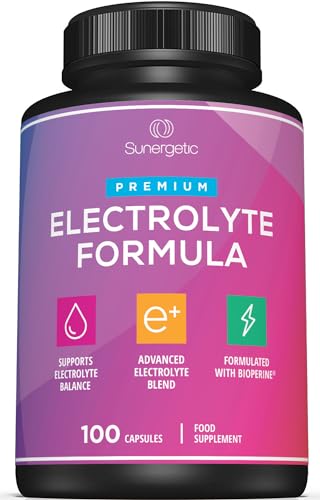
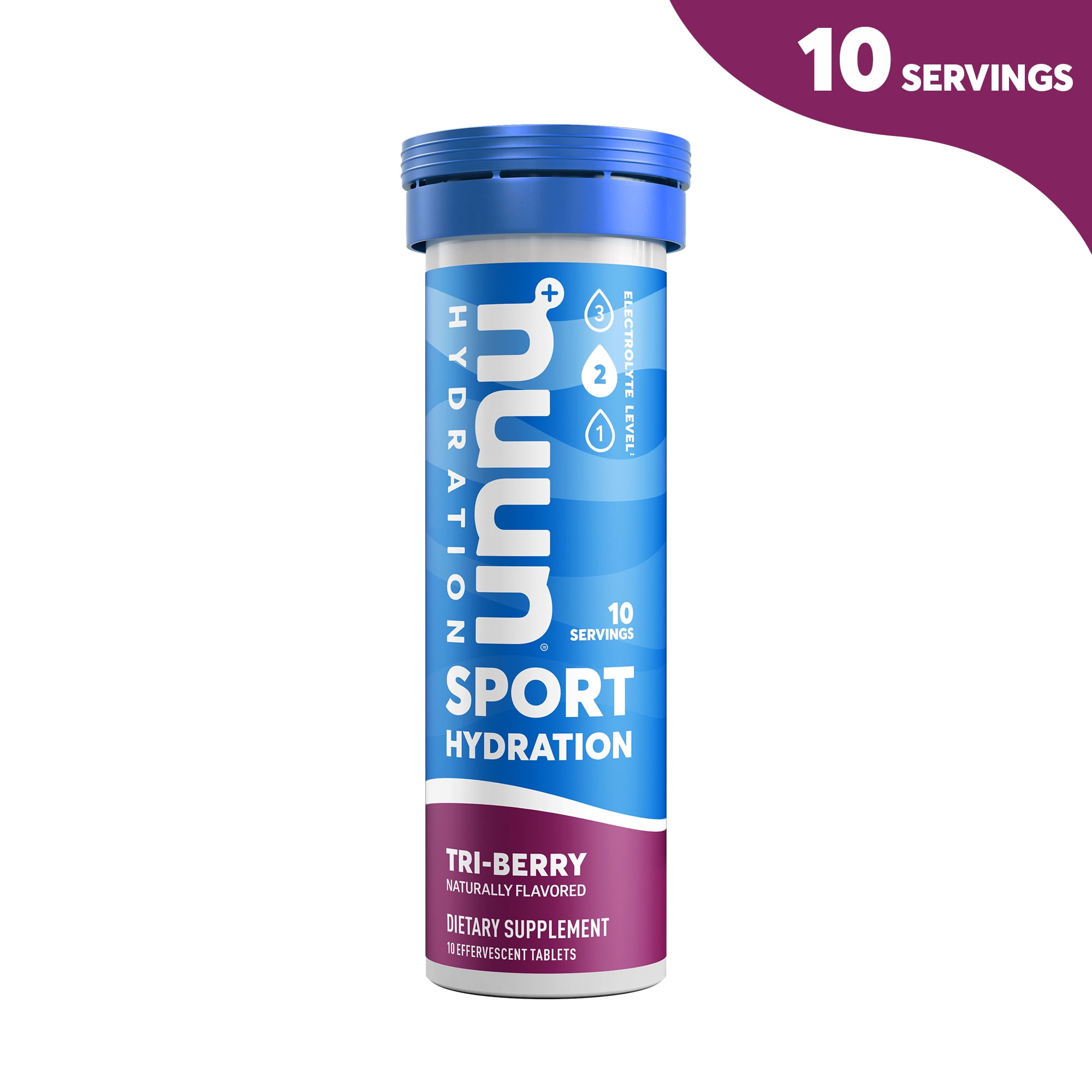
Hangovers can be rough, but there are some solid ways to help ease the pain. First off, hydration is key. Alcohol dehydrates your body, so drinking plenty of water can make a big difference. Grab a bottle or two and sip on them throughout the day. You can also reach for sports drinks or coconut water to help replenish lost electrolytes.
Consider your food choices too. A greasy breakfast might sound tempting, but your best bet is to go for bland, easy-to-digest foods like toast or crackers. Bananas are also a great option since they contain potassium, which your body needs after a night of drinking.
Don’t forget about the power of rest! Your body needs time to recover, so try to take it easy. If you can, kick back on the couch and catch up on some shows or take a nap. Just a little downtime can help you feel a whole lot better.
Some people find that taking over-the-counter pain relievers helps with headaches. Just be cautious with which one you choose. Acetaminophen can be hard on your liver after drinking, so you might want to stick with ibuprofen or aspirin instead.
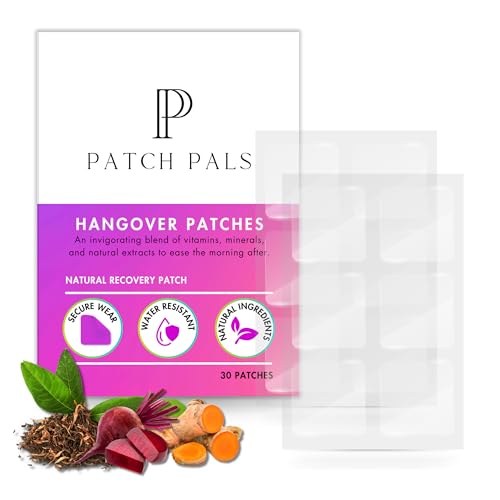
Lastly, if you have a hangover kit on hand, you can make recovery a breeze. Stock it with hydration options, some snacks, pain relievers, and even vitamin supplements for an extra boost. Having everything ready to go means you can tackle that hangover head-on!