We've all been there. You wake up after a night out, and it feels like a truck hit you. But why does drinking make you feel so awful the next day? Let’s break it down.
First off, alcohol messes with your body’s hydration levels. Drinking can dehydrate you, leading to headaches and that awful dry mouth. It’s like your body is screaming for water while you’re buried in regret.
Then there’s the fact that your body has to process all that alcohol. When you drink, your liver works overtime to break it down into less toxic substances. That creates a backlog of chemicals, like acetaldehyde, which can make you feel nauseous and shaky.
Your sleep cycle also goes haywire. Alcohol can help you fall asleep faster, but it messes with the quality of your sleep, leaving you groggy and tired. You might think you had a good night’s rest, but trust me, it was more of a chaotic nap.
And let’s not ignore the food choices after a few drinks. Late-night snacks may seem like a good idea at the time, but greasy or overly salty foods can add to your discomfort the next day. What’s meant to be a fun night out can turn into a morning filled with regret and discomfort.
Understanding Dehydration and Its Effects
When you party it up and enjoy your favorite drinks, your body goes through a lot. One of the main culprits behind that dreaded hangover is dehydration. Alcohol makes you pee more than usual, which can leave your body low on fluids. This is why after a night out, you might feel sluggish and have a headache.
Dehydration can sneak up on you. When your cells don't get enough water, they can't function properly. You might notice dry mouth, fatigue, and irritability. Not the best way to wake up after a fun night, right? Plus, dehydration can mess with your electrolytes, which are important for keeping your body running smoothly.
Your brain is especially sensitive to dehydration. When you're low on fluids, it can lead to that pounding headache you can't shake. You'll also have a harder time concentrating and might feel dizzy. All these symptoms can make you feel like you're dragging yourself through the day.
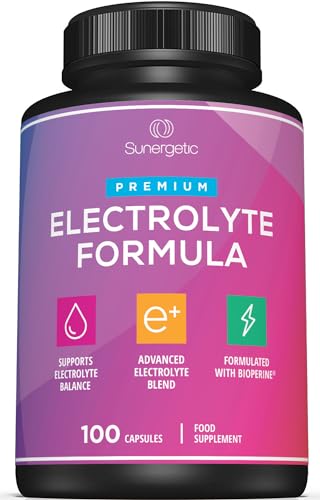
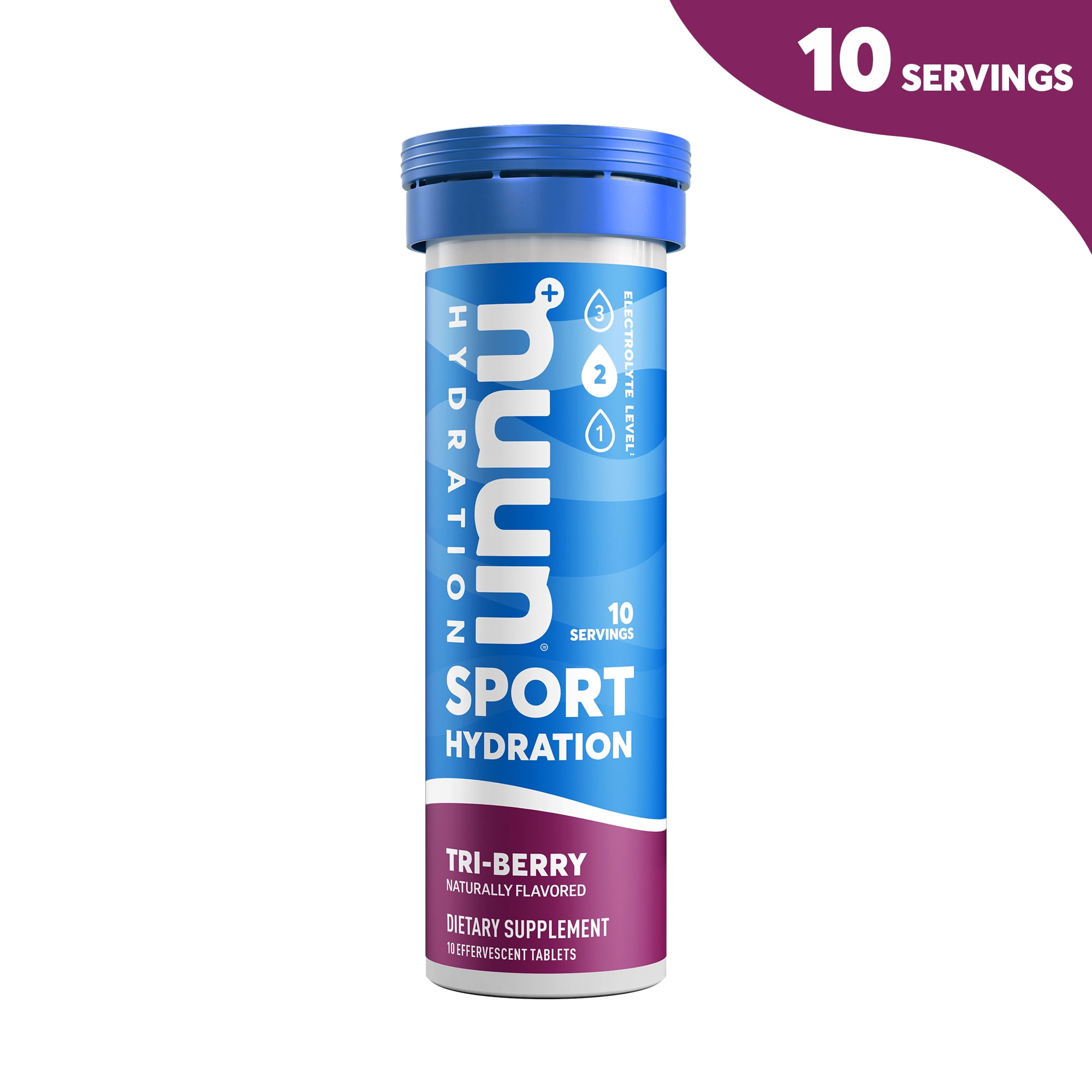
So, if you want to keep the fun going without the next-day misery, staying hydrated is key. Drink water or sports drinks that replenish electrolytes between beverages, and keep a water bottle handy. Your future self will thank you when you wake up feeling a lot better!
The Role of Congeners in Hangovers
If you've ever woken up after a night of drinking and felt like you were hit by a truck, you might wonder why. One key player in hangovers is something called congeners. These are compounds that are found in alcoholic beverages, and they can really affect how you feel the next day.
Congeners are the byproducts created during fermentation. They give different drinks their unique flavors and colors. Darker drinks like red wine and whiskey tend to have higher levels of congeners, while lighter options like vodka have less. That’s why you might feel more hungover after a few glasses of red wine than after a couple of shots of vodka.
But it’s not just the amount of congeners that matters. Everyone reacts differently, and some folks might feel awful from a drink that barely affects someone else. Genetics, hydration, and overall health play a role in how congeners impact you. If you know you’re sensitive to them, that can help you make better choices next time.
So, if you're looking to dodge that dreaded hangover, consider the kind of drinks you choose. Sticking to lighter options or having a glass of water between drinks can help keep your hangover at bay. Keeping it simple might make your next morning a whole lot easier.
How Your Body Metabolizes Alcohol
When you enjoy a drink, your body gets busy processing that alcohol. First off, it heads straight to your stomach and small intestine. From there, it slips into your bloodstream. Pretty fast, right? That’s why you might feel the buzz kicking in after just a couple of sips.
Your liver takes the lead when it comes to breaking down alcohol. It produces an enzyme called alcohol dehydrogenase (ADH), which works hard to transform alcohol into acetaldehyde, a substance that can make you feel pretty rough. Your liver keeps on working to turn that acetaldehyde into acetic acid, which is less harmful. But this process takes time, and this is where hangover woes start.
If you drink more than your liver can handle, that excess alcohol and acetaldehyde start to build up. That’s when you feel the unpleasant effects: headaches, nausea, fatigue. Your body’s not just dealing with alcohol; it's also trying to balance other things like dehydration and nutrient depletion. It’s like juggling while riding a bike—definitely not easy!
So, if you want to ease the hangover pains, think about hydration and replenishing those lost nutrients. Water, electrolytes, and good food can help your body recover faster. Remember, a little planning ahead can save you from feeling like you’ve been hit by a truck the next day!